Often, when people are asked what they do to care for themselves, they ask “are you kidding?” Then they go on to say that they do not have time for self-care. They say that they are too busy caring for others. Does this response sound familiar to you? Are you the person responding in this manner?
I am a self-care evangelist. Let me just say that I am a self-care evangelist for others. I am working on being an evangelist for myself on a more routine and regular basis. Caring for self is not self-indulgent nor is it selfish. It is smart.
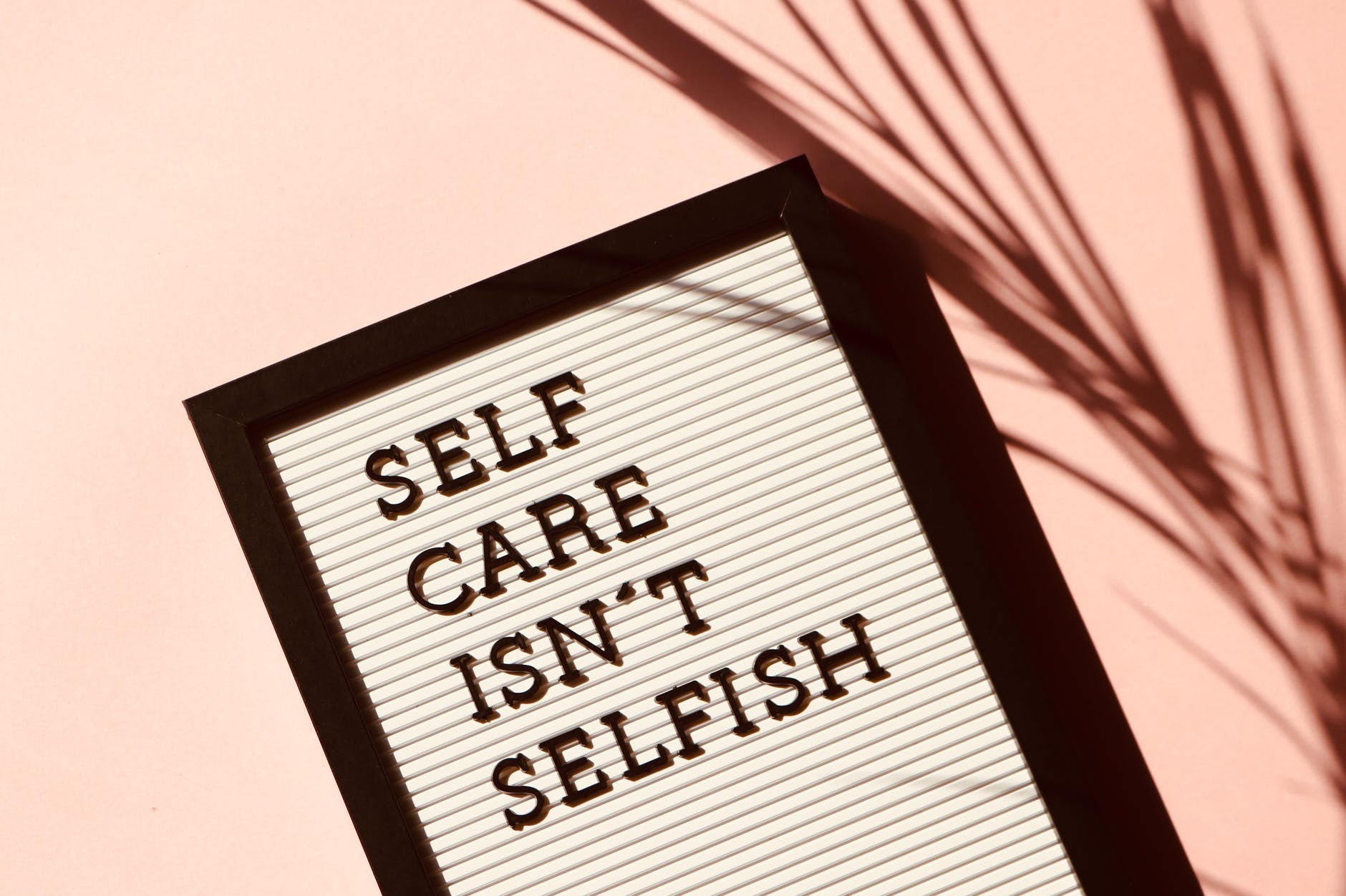
May is Mental Health Awareness Month. What better time to discuss caring for ourselves with beneficial self care strategies that support our emotional wellbeing?
Self-care is prioritizing one’s own health and wellbeing in an intentional and purposeful way. This care that we give ourselves is to improve and maintain physical, mental, emotional professional and spiritual wellbeing. Research suggests that self-care promotes positive health outcomes and fosters resilience and thus we are better equipped to manage stress in appropriate ways. Self-care is “taking care of yourself so that you can be healthy, you can be well, you can do your job, you can help and care for others and you can do all the things you need to and want to accomplish in a day.” (Everyday Health, August 2021)
How do we nurture our emotional and mental wellbeing with self-care? What works for one individual might not work for another. Our self-care plans are best when they are individualized because everyone is unique. Start off slowly. Set yourself up for success. Here are some ideas to nurture emotional wellbeing:
- Practice self-awareness
- Spend quality time with yourself
- Pause to breathe
- Ask for help
- Practice positive self-talk
- Practice self-acceptance
- Engage is counseling
- Practice relaxation, meditation and or mindfulness strategies
- Pray
- Set and maintain healthy boundaries
- Learn to say “no” or say “yes”
- Express your creativity- writing poetry, singing, dancing, painting
- Write in a gratitude journal
- Make time to connect with your social support network, friends intimate relationships
Nurturing our emotional and mental wellbeing is part of self-care. Stigma and bias can get in the way of getting the care and support we deserve. Reaching out for support is a sign of strength and not of weakness.
If you are experiencing heightened stress or mental well-being challenges, consider talking to a counselor. Meeting with a counselor does not necessarily mean that you have a mental health diagnosis. Instead, counseling is a supportive, collaborative professional relationship designed to assist you in developing goals, taking steps to strengthen personal well-being, caregivers and connect with additional resources.
Do you tell yourself that you do not have time for yourself? Make time for you. I challenge you to start to take care of yourself. I challenge you to make a contract with yourself to agree to begin to focus on your health and to take better care of yourself. Decide upon a start date. Start off small. Take baby steps. Perhaps you will plan to write in a gratitude journal or practice guided imagery once a week and gradually increase the frequency. Think of the possible challenges you may have and how you will deal with them. Think of the people who will support you.
You are worth it. Your mental health and emotional well-being are worth it.
Make time.
Learn more about nurturing your mental health by reading this article from the National Institutes of Health.
https://www.nimh.nih.gov/health/topics/caring-for-your-mental-health


Leave a Reply